Beyond Design: How Dyslexic Thinking, Design Thinking, and Coaching Change What a Creative Consultant Can Do For You
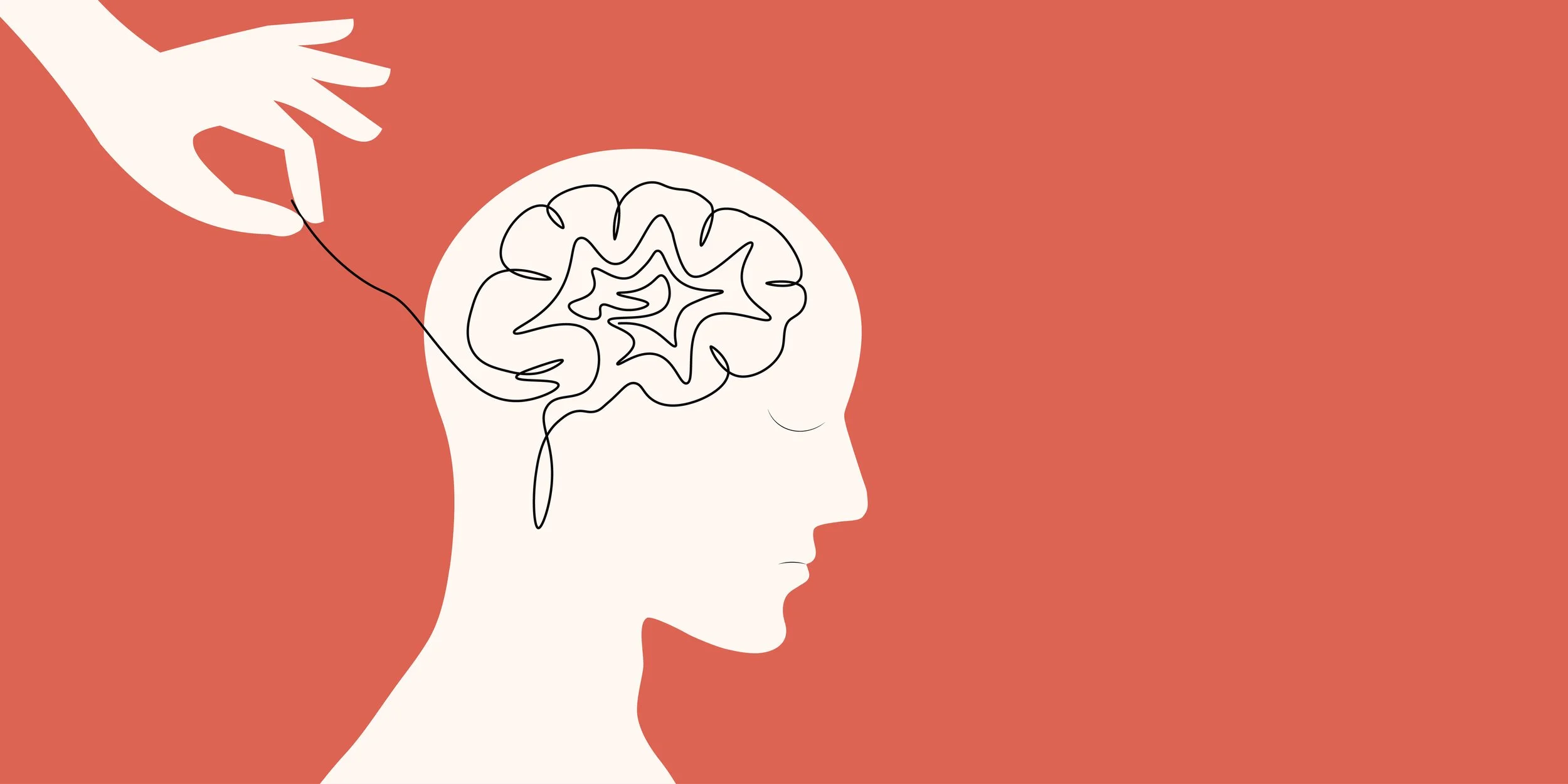
There's a version of a Design Director who takes your brief, makes it beautiful, and hands it back. That's not what I do.
What I do starts further back, with questions, with listening, with a brain that's spent its whole life finding the unconventional path through a complicated problem. I'm a dyslexic thinker, a Design Director, and a certified coach. Those three things aren't separate. They work together, and the combination changes what's possible when we work together.
Dyslexic Thinking: The Lens That Changes Everything
Dyslexic thinking isn't a workaround for a deficit. It's a genuinely different cognitive style, one built on pattern recognition, big-picture thinking, spatial reasoning, and the ability to connect dots others don't yet see as connected. Where others read linearly, dyslexic thinkers read the whole room.
In design and communications work, this matters enormously. It means I'm not just executing your brief, I'm reading between the lines of it, spotting the gap between what you're saying and what you mean, and finding creative solutions that a more conventional process might never surface. It's not magic. It's just a different kind of seeing.
Design Thinking: A Process Built for Real Problems
Design thinking brings structure to that instinct. Where dyslexic thinking opens up possibilities, design thinking provides the framework to explore them rigorously, through empathy, ideation, prototyping, and iteration.
The challenges organisations face today rarely have obvious solutions. Design thinking is a problem-solving approach that starts with the human on the other end of whatever you're building, reframes the problem before jumping to answers, and keeps testing until something actually works. As a Design Director leading this process, my job is to keep the team curious, comfortable with ambiguity, and focused on what the work is really trying to do.
Coaching: The Human Side of Creative Work
Design and strategy don't happen in a vacuum; they happen through people. Teams with trust issues produce cautious work. Leaders who haven't articulated their vision clearly can't brief it clearly. Organisations that resist change struggle to communicate through it.
This is where coaching changes the equation. Using co-active coaching tools, I work not just on the output but on the conditions that produce better output, open communication, genuine collaboration, and a team that feels empowered to bring their whole thinking to the table. It also means I can work with individual founders and leaders who need a thinking partner, not just a creative pair of hands.
What It Looks Like in Practice
When these three things work together, a few things consistently happen:
Briefs get better. Because I ask the questions that surface what you actually need rather than what you think you need, and those are often different things.
Work lands harder. Because it's built on a genuine understanding of your audience, your organisation, and the gap between where you are and where you want to be.
Teams get unstuck. Because the process creates space for the kind of honest, lateral thinking that produces real creative breakthroughs rather than safe iterations.
The Bigger Idea
In a world where communication is everything, the most valuable creative partner isn't the one who makes things look good, it's the one who helps you figure out what you're really trying to say, then makes it impossible to ignore.
That's what I'm here to do.